
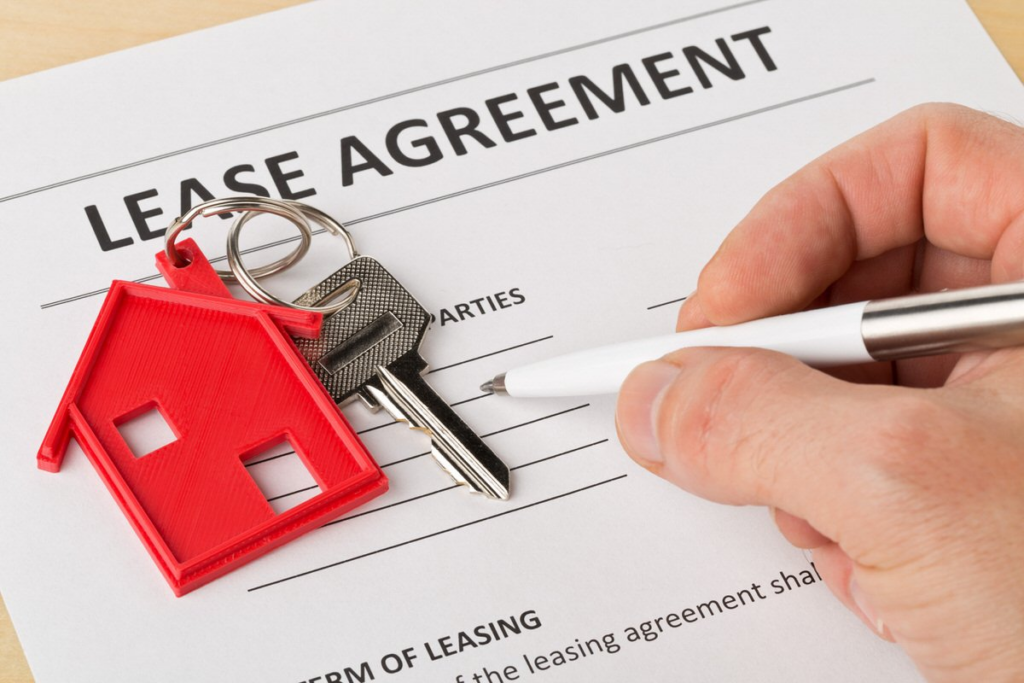
A rental agreement form is one of the most important documents used between landlords and tenants. It explains the rules, responsibilities, and conditions both sides must follow during the rental period. Whether someone is renting an apartment, condo, or house, the agreement helps avoid misunderstandings and protects everyone involved. A clear and complete lease agreement also gives tenants the legal right to stay in the property for a specific period, usually six months or one year.
Rental agreements are legally binding documents, which means both the landlord and tenant must follow the terms written in the contract. These agreements often include details about rent payments, property rules, maintenance responsibilities, and the conditions for ending or renewing the lease. By signing the agreement, both parties confirm that they understand and accept the rules stated in the document.
Why Rental Agreements Are Important
A rental agreement keeps both landlords and tenants organized and protected. Without a written agreement, disagreements about payments, repairs, or property use can easily happen. A properly written lease clearly explains what is allowed and what is not allowed inside the property.
For landlords, the agreement helps protect the property from damage and unpaid rent. For tenants, it guarantees their right to live in the property as long as they follow the contract. This written agreement also becomes helpful if legal issues arise in the future.
Different property types may require different lease agreements. Apartment rental agreements usually include rules about shared spaces, noise levels, parking areas, and building facilities. House rental agreements often include additional details about lawn care, garage use, and outdoor maintenance responsibilities.
Differences Between House and Apartment Lease Agreements
Although house and apartment leases have many similarities, there are still important differences between them. Apartment leases are designed for multi-unit buildings where tenants share common areas like hallways, elevators, gyms, or laundry rooms. Because of this, apartment agreements often include rules about noise, guest behavior, and proper use of shared facilities.
House rental agreements focus more on outdoor responsibilities and property upkeep. Tenants renting a house may need to maintain the yard, clean outdoor areas, or handle minor repairs. Some house leases also include rules about parking multiple vehicles or using storage areas like basements and sheds.
Even with these differences, both types of agreements usually contain the same basic information. This includes rent amount, payment schedule, lease duration, security deposits, and tenant responsibilities.
Important Details to Include in a Rental Agreement
A good rental agreement should contain complete and easy-to-understand information. Before creating one, landlords should make sure the terms follow local laws and regulations. Including clear details in the agreement helps reduce confusion and protects both parties.
One of the first sections should include the full names and contact details of all tenants. If there is a guarantor or cosigner, their information should also be included. The agreement should also provide a full description of the rental property, including parking spaces, storage areas, and shared facilities.
The lease should clearly state the monthly rent amount, the due date, and the accepted payment methods. Information about the security deposit is also important. This section should explain how much the deposit is, what it covers, and when it will be returned after the tenant moves out.
Common Policies and Lease Rules
Most rental agreements also contain rules and policies that tenants must follow while living in the property. These policies may include rules about smoking, pets, parking, visitors, and subletting. If pets are allowed, landlords may require an additional pet deposit to cover possible damages.
The agreement should also explain what happens if rent is paid late. Some landlords charge late fees, while repeated late payments may become grounds for eviction. Maintenance responsibilities should also be listed clearly so tenants understand which repairs are covered by the landlord and which expenses they may need to handle themselves.
Another important section involves landlord entry rules. This explains when and how a landlord can enter the property, especially during emergencies or repair situations. Occupancy limits should also be included to prevent overcrowding and protect the property from unnecessary damage.
Landlords must also provide any required legal disclosures based on local and national laws. These may include safety information, fire regulations, or warnings about older building materials such as lead paint.
Today, many property owners also use electronic signatures to simplify the leasing process. Digital signing tools allow tenants to review and sign documents online using computers or mobile phones. This makes the process faster, easier, and more convenient for both landlords and renters.
Rental agreements may come in different forms depending on the tenant’s needs. Some agreements are fixed-term contracts lasting several months or one year. Others are month-to-month agreements that offer more flexibility. Short-term rental agreements are also common for vacation rentals and temporary stays.
No matter the type of property, a well-written rental agreement helps create a smoother and more professional relationship between landlords and tenants.
