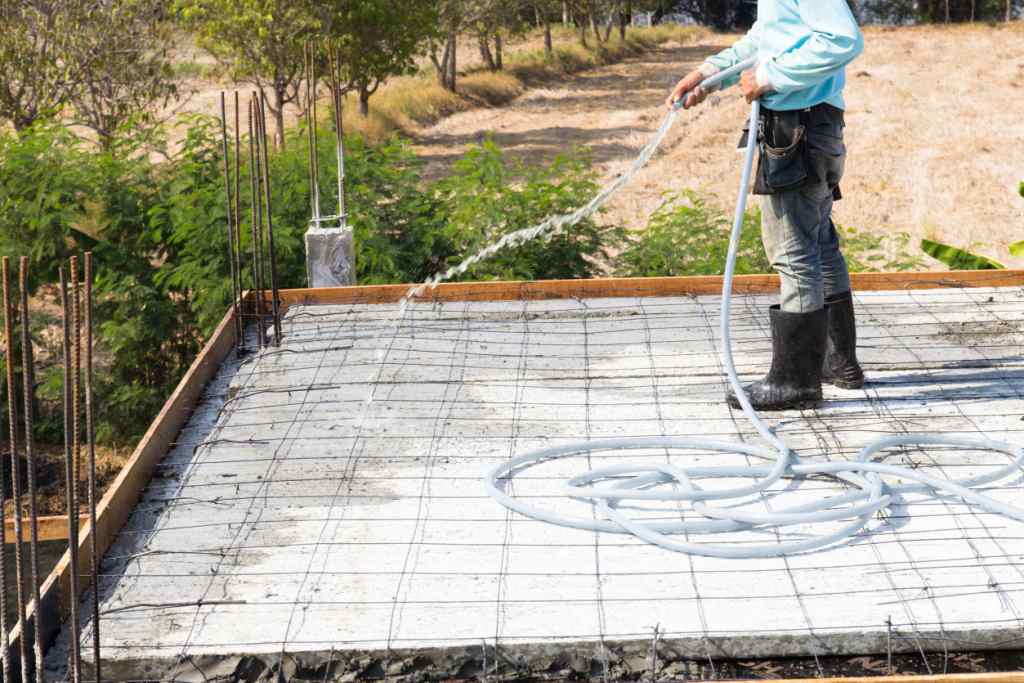
Concrete is known and appreciated as one of the long-lasting building materials. However, its power does not come right away. It takes time to form and this process is called curing.
For example, most people believe concrete merely “dries.” In reality, curing is a chemical method that enables concrete to stay strong. So, if you are planning concreting in Cranbourne or Mornington, you need to know all about curing for enduring results.
What is Concrete Curing?
Concrete curing is the act of preventing moisture and temperature loss so that concrete can harden properly.
Cement molecules create strong bonds with water molecules. This process is called hydration. If they do not cure it properly, the concrete can cause weak and crack.
Why Concrete Curing Matters?
Curing is more than a technical step − it contributes directly to the quality of your project.
Key Benefits of Proper Curing:
- Develops Strength − The well-cured concrete grows in force over time
- Crack Prevention − Reduces shrinkage cracking at the surface
- Enhanced durability − Resist wear and tear
- Improves aesthetics − Prevents sinking and discoloration
Keep in mind that professionals like M&J Concreting and Landscaping Pty Ltd., will always put curing first when it comes to fine-quality finishes.
How Long Does Concrete Takes About to Cure?
The amount of time that cure takes will depend on the type of project that is being worked on, the weather at the time that you are trying to cure it, and the concrete mix that you are using.
General Timeline:
- 24-48 hours: Concrete cures and turns walkable
- Day Seven: Approximately 70% stronger
- 28 days: Reaches full strength
Although the top might be dry initially, but the curing process lasts weeks.
Factors That Affect Curing Time
Every type of concrete does not cure at the same speed. The process can be influenced by a number of factors.
Weather Conditions:
- The hot weather could lead to the rapid depletion of moisture
- Cold weather increases curing time
Concrete Mix:
- Different mixes cure at different speeds
- Moisture Levels:
- Strength development underpins explicit hydration
Homes and structures give off heat, and so local climate also has a big role to play when it comes to curing outcomes for projects like concreting Cranbourne or Mornington.
Common Curing Methods
Various methods are there for ensuring a good cure for concrete:
Water Curing
Spraying the surface with water or wet blankets to keep it wet.
Plastic Sheeting
Moisture retention through covering the concrete.
Curing Compounds
Soaking in special chemicals, to hold in moisture.
All of these methods help to maintain the conditions necessary for the strength and longevity of concrete.
Not Curing It Right − Its Effect
Rushing or skipping the cure will get an ugly profit.
Common Issues:
- Cracks and surface damage
- Reduced strength
- Shorter lifespan
- Poor finish quality
Those may also be expensive repairs later down the line. This is why having proper curing is so imperative for any concreting in Mornington or Cranbourne project.
Tips for Better Concrete Curing
And even, small steps can enhance curing outcomes.
- Moisten the soil surface for minimum 7 days
- Avoid heavy loads too early
- Protect concrete from extreme weather
- Follow professional advice
Such practices ensure the consistent achievement of results over time.
When Can You Walk on the Concrete?
Remember that newly poured concrete needs time to be used.
- Traffic in-store light: 24-48 hours later
- Cars: After at least 7 days
- Full load capacity: 28 days
Hurrying this cycle can cause it to break apart and leave craters on the walls.
Final Thoughts
Concrete curing is the secret to creating a solid and flexible finish. You just set it out to dry – no − give it time to go stiff.
In case you’re laying a driveway, patio or slab, curing a material makes all the difference. Whether it is concreting in Mornington or Cranbourne, proper the curing of concrete provides longevity to the work.
Ultimately, a little patience during curing results in improved performance, reduced repairs and a longer-lasting finish.