
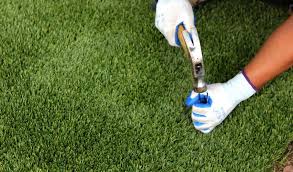
Why is turf cleaning considered a critical part of modern landscape maintenance?
Turf cleaning has evolved into an essential component of landscape care due to its measurable impact on performance and hygiene. Industry insights reveal that artificial turf can maintain its intended appearance and functionality for years when supported by consistent cleaning routines. Without maintenance, debris buildup can compromise both aesthetics and usability. Regular turf cleaning ensures that the turf continues to perform as designed, offering a reliable and visually appealing surface across residential and commercial spaces.
How does turf cleaning influence long-term durability?
Data-driven observations indicate that consistent turf cleaning significantly enhances durability. When contaminants such as dust, leaves, and organic matter are removed, turf fibers experience less friction and stress. This helps prevent matting and structural degradation. Additionally, cleaning preserves the integrity of the infill layer, which plays a crucial role in cushioning and stability. As a result, well-maintained turf systems tend to last longer and require fewer repairs over time.
What measurable improvements in appearance can be expected from regular cleaning?
Clean turf consistently demonstrates higher visual quality compared to neglected surfaces. Studies suggest that removing dirt and debris restores the vibrancy and uniformity of turf fibers, making outdoor spaces look refreshed and well-maintained. Accumulated particles can dull the color and create an uneven texture, while cleaning restores the original aesthetic appeal. This improvement is particularly noticeable in high-traffic areas where visual consistency is essential.
How does turf cleaning contribute to hygiene and sanitation?
Hygiene plays a central role in turf maintenance, especially in environments used by families and pets. Research highlights that unclean turf can harbor bacteria, allergens, and organic residues. Professional cleaning processes are designed to eliminate these contaminants, resulting in a cleaner and safer surface. By targeting bacteria and allergens at their source, turf cleaning supports a healthier outdoor environment and enhances overall user comfort.
Can turf cleaning improve drainage efficiency?
Efficient drainage is a defining feature of high-quality turf systems, and cleaning directly supports this function. Over time, debris can clog the drainage layer, leading to water accumulation and reduced performance. Cleaning removes blockages and restores proper water flow, ensuring that the turf remains dry and functional after rainfall or cleaning. Improved drainage also minimizes the risk of mold or moisture-related issues, reinforcing the importance of regular maintenance.
What role does turf cleaning play in odor control?
Odor control is one of the most noticeable benefits of turf cleaning. Organic waste and trapped moisture can lead to persistent odors if not addressed promptly. Cleaning techniques are specifically designed to neutralize odor-causing bacteria rather than simply masking them. This results in a fresher and more pleasant outdoor environment. Consistent cleaning schedules are particularly effective in maintaining odor-free turf in areas with pets or heavy usage.
How does turf cleaning impact user safety?
Safety is closely linked to the condition of the turf surface. Accumulated debris can create uneven areas, increasing the risk of slips or discomfort during use. Clean turf provides consistent traction and cushioning, making it safer for recreational activities. Additionally, the removal of harmful microorganisms contributes to a more secure environment for children and pets. Maintaining a clean surface ensures that the turf remains both functional and safe for everyday use.
Does turf cleaning help maintain environmental efficiency?
Artificial turf is already valued for reducing water consumption, but cleaning enhances its environmental performance. By maintaining proper drainage and preventing contamination, cleaning reduces the need for additional treatments or repairs. Eco-friendly cleaning practices further support sustainability by minimizing chemical usage. Clean turf systems operate more efficiently, aligning with modern environmental standards and responsible landscaping practices.
How frequently should turf cleaning be performed for optimal results?
The frequency of turf cleaning depends on usage patterns and environmental conditions. However, consistent maintenance is widely recognized as the most effective approach. Light cleaning can be performed regularly to remove surface debris, while deeper cleaning ensures that embedded contaminants are eliminated. Establishing a routine schedule helps maintain both the appearance and functionality of the turf over time.
What technologies are involved in professional turf cleaning?
Modern turf cleaning utilizes advanced equipment designed to deliver precise and effective results. Specialized tools lift turf fibers, remove debris, and redistribute infill evenly. These techniques ensure a thorough cleaning process without damaging the turf structure. Technological advancements have also improved efficiency, allowing for faster and more environmentally conscious cleaning methods.
How does turf cleaning influence property value and perception?
Well-maintained turf significantly enhances the overall appeal of a property. Clean and vibrant outdoor spaces create a positive impression, which can influence property perception and value. Data suggests that visually appealing landscapes attract more attention and contribute to higher satisfaction among property owners and visitors. Turf cleaning plays a direct role in maintaining this level of quality and presentation.
Can consistent turf cleaning reduce maintenance costs over time?
Regular cleaning is a cost-effective strategy for long-term turf management. By preventing damage and preserving structural integrity, cleaning reduces the likelihood of expensive repairs or replacements. Maintaining optimal performance also minimizes the need for additional interventions, making cleaning an efficient investment in the longevity of the turf system.
Conclusion
Turf cleaning is a performance-driven practice that combines aesthetics, hygiene, and durability into a single maintenance strategy. Statistical insights consistently show that regular cleaning improves appearance, extends lifespan, enhances safety, and supports environmental efficiency. By adopting a proactive cleaning approach, property owners can ensure that their turf remains a high-quality, reliable, and visually appealing asset. The long-term benefits of turf cleaning clearly position it as an essential element in modern landscape management.


