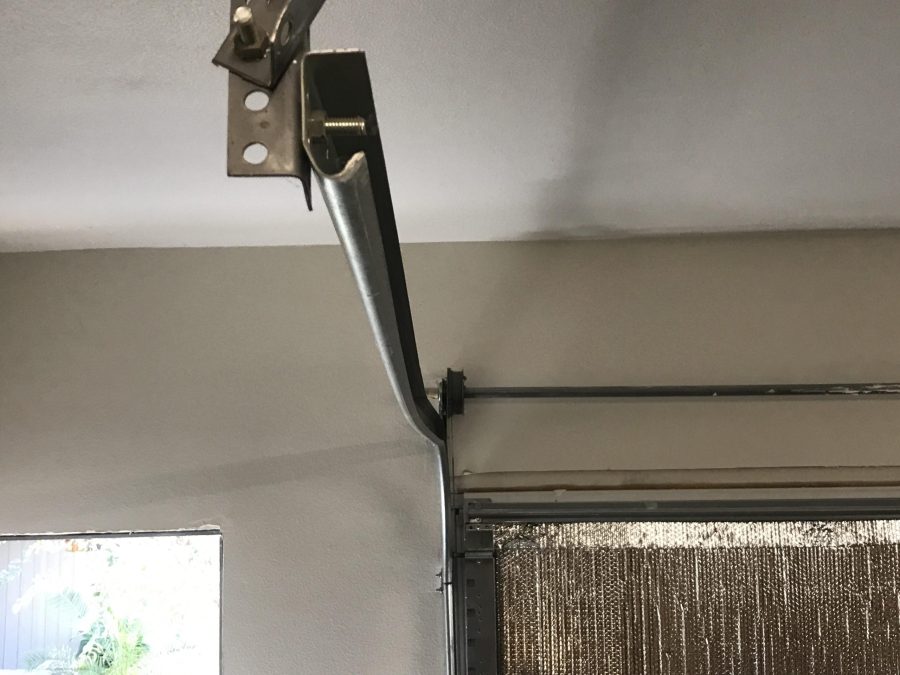
Garage doors need their tracks in order to operate properly as they open and shut. The whole system may not work properly if a track bends. They may hear strange sounds, feel jerky faux movement or even a door that stops halfway.
Not every bent track needs to be replaced, which is good news. Only a few components can be replaced with new ones, while in some cases, it is possible to repair that restores the performance qualities. In others, however, a total replacement is the right way to go in terms of safety and economy.
Knowing how to tell the difference and properly assess the damage early on could save homeowners time, money, and hassle.
What Makes a Garage Door Track Bend?
Garage door tracks help the rollers during the movement of the door. While they are made of a long-lasting metal, they can still be ruined.
Common causes include:
- Vehicle impacts
- Accidental knocks from equipment
- Loose mounting brackets
- Worn-out rollers
- Improper installation
- Long-term wear and tear
Even the slightest bend will impact how the door works.
Signs That You Have Damaged Track
Sometimes unfamiliar warning signs are therefore harder to detect than a bent track.
Look for:
- Gaps between rollers and track
- Grinding or scraping sounds
- Uneven door movement
- Door sticking during operation
- Dents or bends in the metal where they are visible
The smart first step is to schedule a professional inspection for a possible garage door repair if you identify one of these problems.
For How Long Bent on Track Can Be Repaired?
Not all damaged tracks are catastrophic.
You can repair even small dents or slight bends in almost every part of the track without having to buy whole new ones.
Minor Misalignment
An example of this would be if the track has been squeezed or slipped, then only a millimetre or two sometimes staff may be able to straighten it and reattach it.
Small Surface Dents
In certain situations where the dent is not so deep, they can be reshaped using specialised tools.
Loose Hardware
At times, the issue is with brackets that have come loose rather than actual damage to the track itself.
However, a qualified garage door repair technician can tell you if the track can be repaired safely.
When Should You Opt for Replacement Instead?
Certain damages are beyond repair.
When to replace an entire garage door track system:
The Track is Severely Bent
Greater bends can weaken the metal − and in turn your door.
Cracks are Present
This in turn may lead interrupted at the tracks and be a hazard for safety.
Your Door Keeps Falling Off the Track
Repetitive derailments can be a sign of serious structural damage.
Corrosion Has Weakened the Metal
Rust can quickly weaken the strength and reliability of a track.
In these cases, repairs can be merely palliative.
The Risk of Delaying Repairs to Car Body Panels
A broken track puts a huge stress on other garage door mechanisms.
Over time, this can lead to:
- Roller damage
- Opener wear
- Broken cables
- Spring stress
- Complete door failure
But the cost of repair is greater than trying to fix it as soon as possible.
Replacing garage door tracks in time saves many homeowners from more serious damage to the system.
Should You Attempt a DIY Fix?
They are heavy and have tension associated with garage door systems. Minor visual inspections are safe; performing major repairs on your own can be dangerous.
Improper repairs may:
- Worsen track damage
- Cause door imbalance
- Lead to personal injury
- Reduce system lifespan
As professionals, assessment is the safest way and without question the most effective method.
Final Thoughts
Many minor bends and alignment issues can be repaired with professional garage door repair in your local area.
But if your garage door tracks are so badly damaged or have more cracks, corrosion, or problems while in operation, then garage door track replacement may probably be the ideal solution to ensure safe and dependable performance. Your garage door will still be able to perform if you identify the right step through a professional inspection, opening its life for many years ahead.