
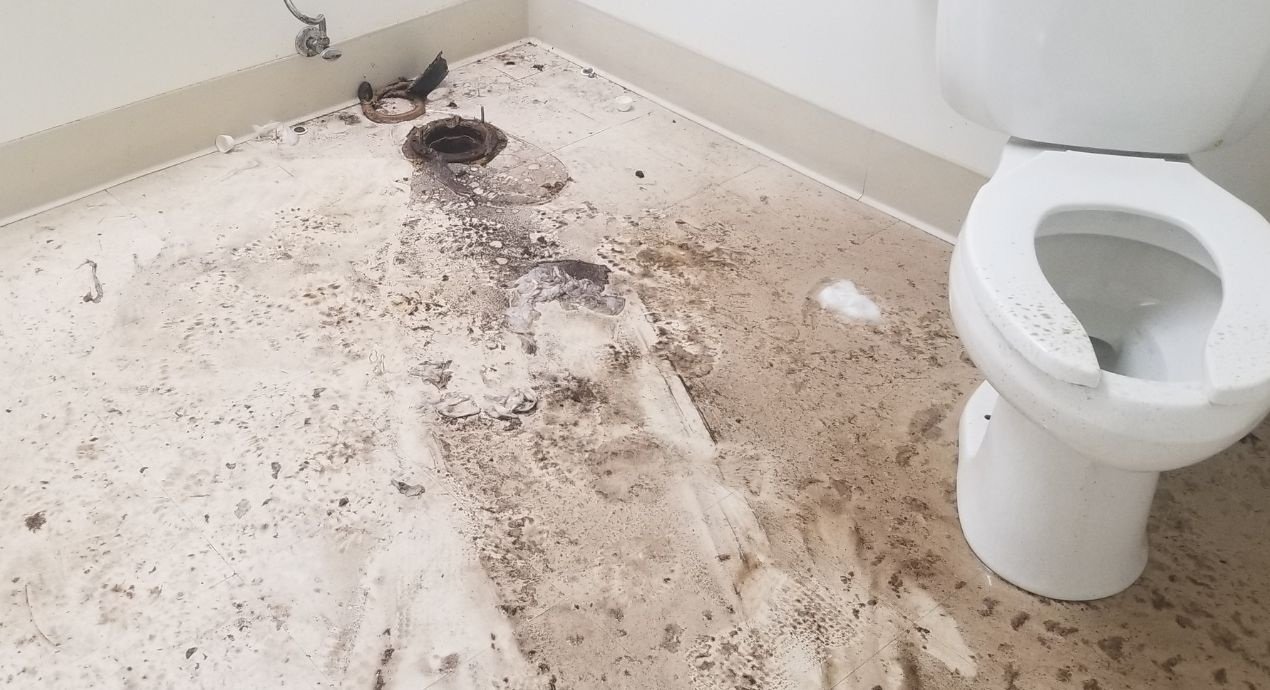
Frequent toilet backups are one of the most frustrating plumbing problems homeowners face. Beyond the inconvenience, recurring backups can signal deeper issues within your plumbing system that should not be ignored. Understanding the common causes of toilet backups and knowing how to prevent them can help protect your home from water damage, unpleasant odors, and costly repairs.
Clogged Drains and Improper Flushing Habits
Drains getting stuck is one of the most common reasons why toilets back up. Toilets are only made to deal with toilet paper and human waste. Items like wipes, paper towels, feminine care products, cotton swabs, or even too much toilet paper can easily clog the pipes. These materials build up inside the lines over time, which slows down the flow of water and causes backups to happen over and over again. An easy but good way to lower this risk is to teach everyone in the house how to flush the toilet correctly.
Sewer Line Blockages and Damage
If toilet backups happen frequently and affect more than one fixture, the problem may lie in the sewer line. Sewer lines can become blocked by grease buildup, debris, or foreign objects that were flushed in the past. In older homes, sewer pipes may also crack, collapse, or shift due to soil movement. These issues restrict wastewater flow and cause sewage to back up into toilets and drains. Sewer line problems often require professional inspection and repair to resolve fully.
Tree Root Intrusion in Underground Pipes
Tree roots are a hidden but serious cause of recurring toilet backups. Roots naturally seek out moisture and can enter small cracks or joints in underground sewer pipes. Once inside, they grow and expand, trapping waste and causing repeated clogs. This issue is especially common in homes with mature trees near sewer lines. Without proper intervention, root intrusion can worsen and lead to pipe damage or complete blockage.
Low-Flow Toilets and Drain Design Issues
Some low-flow toilets, especially older models, may not generate enough flushing power to clear waste effectively. This can result in frequent partial clogs that eventually cause backups. In addition, a poor drain slope or an outdated plumbing design can prevent waste from moving efficiently through the system. Upgrading fixtures or correcting drain alignment can significantly improve performance and reduce backup issues.
Venting Problems in the Plumbing System
Plumbing vents play a critical role in regulating air pressure and allowing wastewater to flow smoothly. If a vent pipe becomes blocked by debris, leaves, or even animal nests, it can disrupt drainage and cause toilets to back up or drain slowly. Venting problems are often overlooked but can contribute to recurring plumbing issues if left unaddressed.
How to Stop Frequent Toilet Backups
Preventing toilet backups starts with regular maintenance and mindful use. Do not flush things that aren’t flushable down the toilet, and make sure to clean your drains regularly to get rid of buildup before it blocks the pipes. Annual plumbing inspections can help identify early signs of sewer line damage, root intrusion, or venting problems. When backups occur unexpectedly, contacting a Same day plumber Houston can help resolve the issue quickly before it leads to more serious damage.
When Professional Help Is Necessary
While minor clogs can sometimes be cleared with a plunger, frequent backups are a sign that professional attention is needed. Licensed plumbers have the tools and experience to diagnose underlying problems using advanced inspection methods. Addressing the root cause rather than repeatedly treating symptoms ensures long-term reliability and protects your plumbing system.
Final Thoughts
Frequent toilet backups are more than just a nuisance. They often indicate deeper plumbing problems that require timely attention. Homeowners can avoid having to make expensive fixes and deal with repeated problems by knowing what causes them and taking steps to avoid them. Regular maintenance, proper usage, and professional support are key to keeping your toilet and entire plumbing system functioning smoothly.


